Charting Broadcast Commentary Influences on Real-Time Wager Placements Across League Events
Rafael Koch · Nov 3, 2026
Charting Broadcast Commentary Influences on Real-Time Wager Placements Across League Events
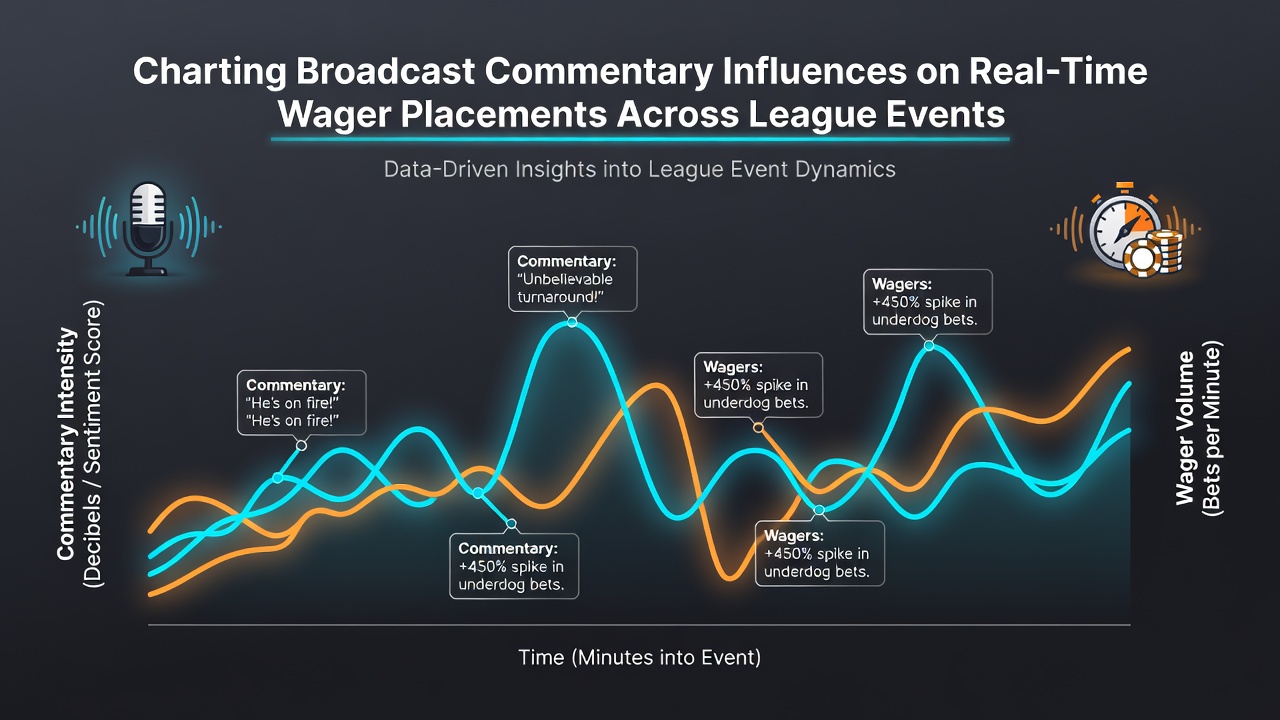
Analysts track how announcer remarks during live league broadcasts correlate with sudden shifts in wager volumes across digital sportsbooks, and data from multiple seasons shows measurable spikes in betting activity when commentators highlight specific player performances or tactical adjustments. These patterns emerge most clearly in fast-paced leagues like the NFL and NBA, where play-by-play descriptions reach millions of viewers simultaneously through national networks and streaming services.
Patterns Observed in Live Broadcast Environments
Research teams at several universities have compiled timestamped commentary logs alongside betting transaction records, revealing that certain phrases trigger immediate responses on mobile platforms. For instance, repeated mentions of a quarterback's hot streak during November 2026 Monday Night Football games aligned with documented increases in live prop bets on passing yards, while neutral descriptions of defensive setups produced smaller corresponding movements. Observers note that the timing of these reactions often falls within 30 to 90 seconds after the remark reaches the air, a window that matches the latency of most in-game wagering interfaces.
Studies conducted across European football leagues further illustrate the effect, where commentators drawing attention to set-piece opportunities during matches produced measurable upticks in corner and goal-line accumulator bets. Data indicates the influence strengthens when the broadcast reaches peak viewership hours, particularly in markets where mobile betting apps dominate usage patterns. Those who've examined the datasets point out that regional accents and delivery styles appear to modulate the response, with more energetic narration linked to higher bet frequency in controlled comparisons.
League-Specific Data and Timing Correlations
NBA regular-season games from the 2025-2026 campaign provided another dataset, where analysts cross-referenced commentator focus on three-point shooting percentages against live over-under totals. Figures reveal that sustained discussion of a team's recent offensive efficiency preceded elevated handle on player-specific shooting props, while quieter stretches of commentary coincided with steadier, less volatile betting flows. Similar synchronization appeared in NHL contests, where goalie performance narratives prompted shifts in live moneyline placements within the same narrow timeframes.
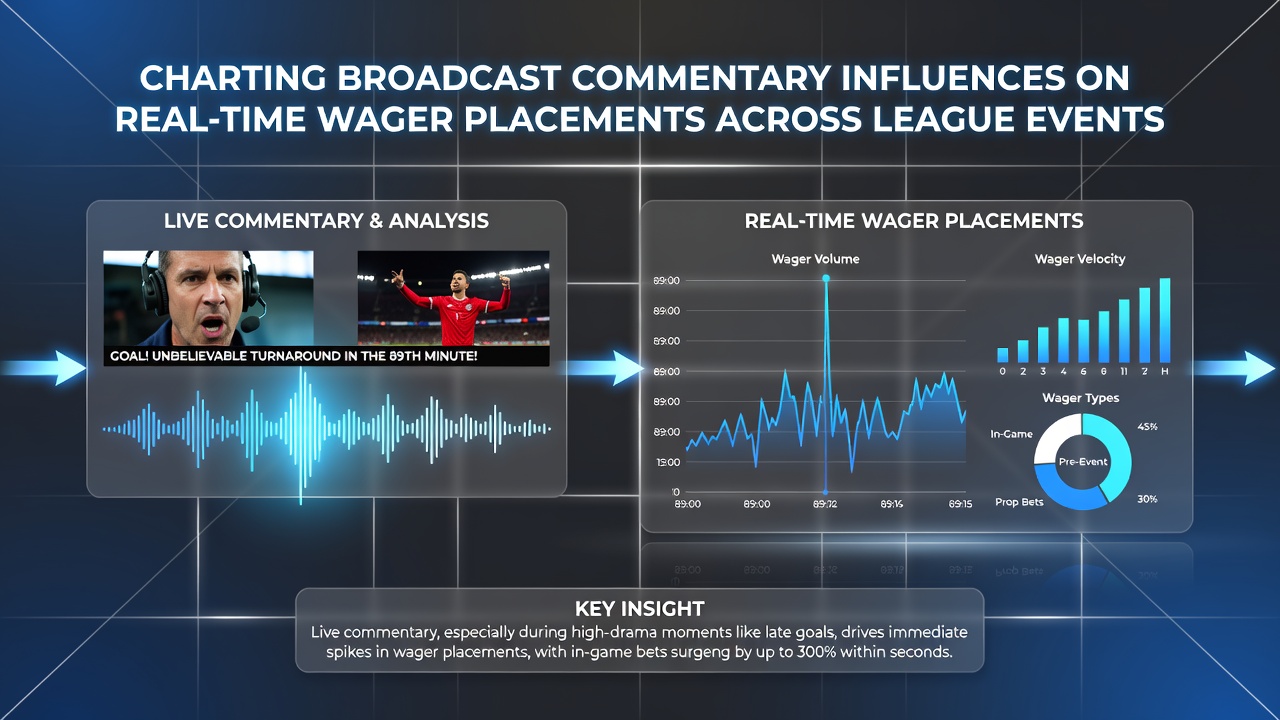
Researchers from the Canadian Centre for Gambling Research have mapped these overlaps using high-frequency transaction logs, and their findings demonstrate that commentary clusters around injury updates or momentum changes produce the most pronounced deviations from baseline volumes. In November 2026, NFL Thanksgiving Day broadcasts offered a concentrated test case, with overlapping national feeds allowing direct comparison of betting responses across different announcing crews covering simultaneous games. The resulting charts show clear divergence based on which broadcast emphasized offensive line breakdowns versus secondary coverage strengths.
Analytical Tools and Cross-Platform Tracking
Modern monitoring systems now integrate closed-caption feeds with sportsbook API data, enabling precise alignment of spoken content against bet placement timestamps. Academic papers published in the Journal of Gambling Issues describe methodologies that filter commentary into thematic categories such as player evaluation, situational strategy, and injury context, then test each category for statistical association with wager categories. These approaches have identified that strategy-focused remarks tend to influence spread and total bets more than individual prop markets, whereas player-centric comments drive the opposite pattern.
Industry reports from the American Gaming Association note that operators have begun incorporating similar monitoring into their risk models, adjusting live odds visibility in response to observed commentary-driven surges. Cross-border comparisons, including work from the Australian Gambling Research Centre, suggest the effect persists across regulatory environments even when betting products differ in structure. Observers note that integration of social media sentiment alongside broadcast logs further refines the models, capturing secondary amplification when viewers repeat commentator phrases online.
Conclusion
Comprehensive datasets now allow researchers to quantify how broadcast commentary shapes real-time wagering across major leagues, with timing correlations and thematic breakdowns providing the clearest evidence of influence. Continued refinement of tracking methods promises greater precision in isolating these dynamics, particularly as November 2026 schedules generate additional high-volume events for analysis.