Dissecting Biometric Sensor Integrations with Mobile Interface Designs for Timing Wager Entries in Arena-Based Athletic Contests
Katja Baumann · Sep 22, 2026
Dissecting Biometric Sensor Integrations with Mobile Interface Designs for Timing Wager Entries in Arena-Based Athletic Contests
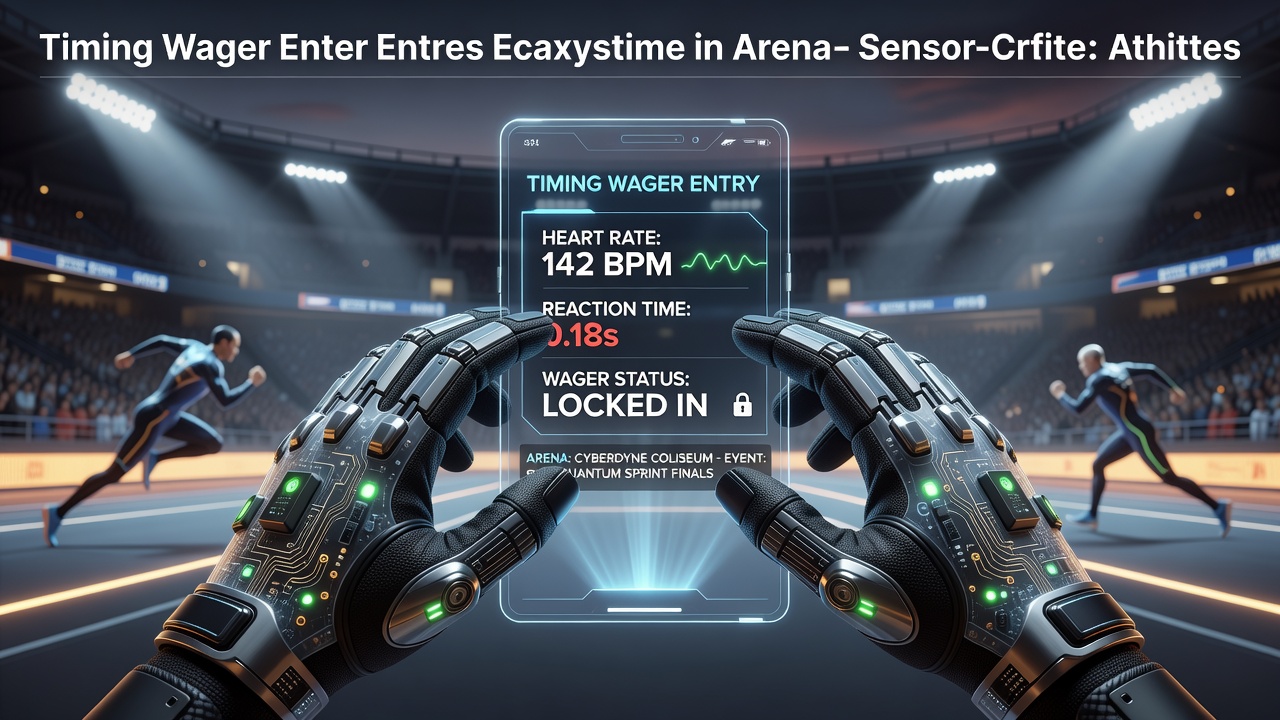
Biometric sensor integrations with mobile interface designs have expanded in arena-based athletic contests as operators seek precise methods for wager entry timing. These systems combine fingerprint scanners, facial recognition cameras, and heart rate monitors built into smartphones with user interfaces that streamline authentication and bet submission during live events. Data from device sensors confirms user identity in under two seconds, which aligns with the rapid pace of plays in sports such as basketball and hockey.
Core Components of Sensor Integration
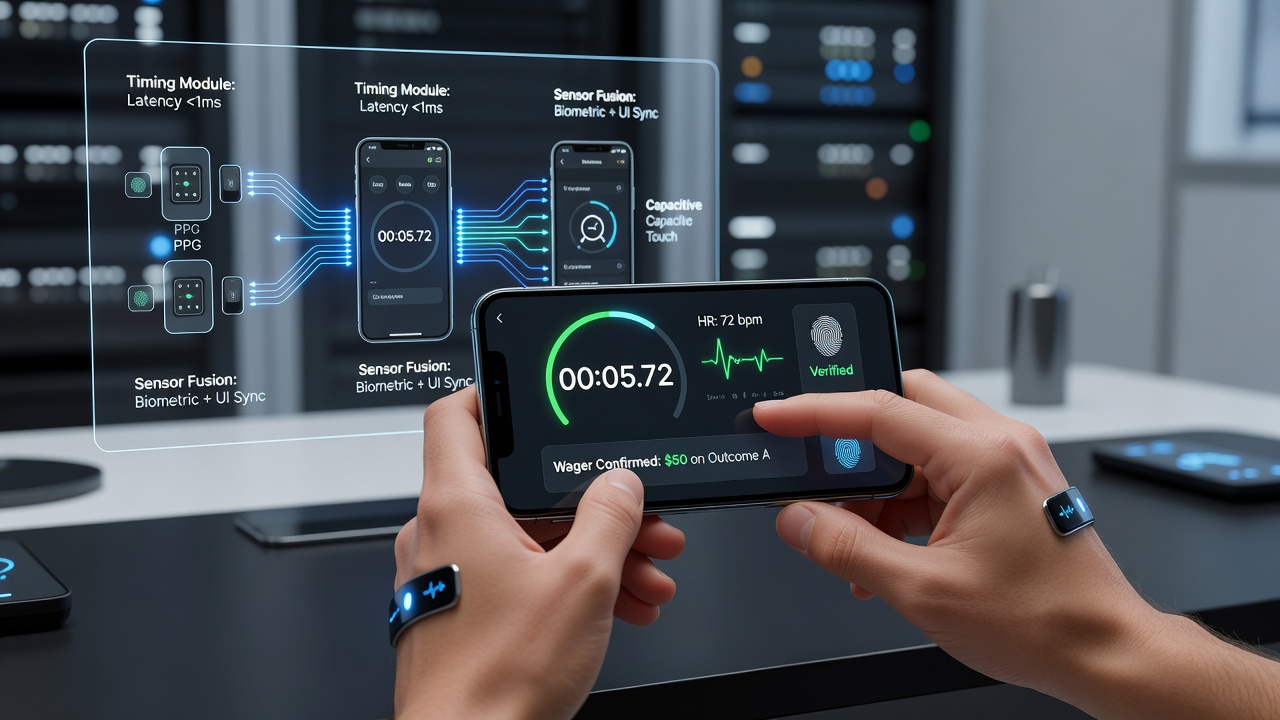
Smartphone hardware includes capacitive fingerprint readers and infrared cameras that capture biometric data while the device remains in a user's hand. Software layers map these inputs directly to betting application functions so that a verified user can confirm a wager without navigating multiple screens. Studies from the National Institute of Standards and Technology show that multimodal biometrics, which combine two or more traits, reduce false acceptance rates to below 0.1 percent in controlled tests.
Interface designers position confirmation buttons near the bottom of the screen where thumb reach is natural during seated viewing. Color-coded indicators shift from amber to green once sensor validation completes, and progress bars display remaining time before the next play begins. These elements keep the visual load low while users monitor both the field and the application simultaneously.
Timing Mechanisms in Live Arena Environments
Timing wager entries requires synchronization between game clocks, betting servers, and individual device clocks. Biometric confirmation triggers a timestamp that locks the wager at the exact moment of submission. Arena Wi-Fi networks and 5G small cells maintain latency below 50 milliseconds for most major venues, allowing the system to record entries before the next whistle or pitch.
Operators test these connections during preseason events. In one documented implementation at a professional basketball arena, average submission windows shortened from 4.2 seconds to 1.8 seconds after biometric prompts replaced manual PIN entry. The change occurred because fingerprint or facial scans bypass keyboard input and leverage the same sensors already active for device unlock.
Design Patterns Across Different Sports
Football interfaces emphasize vertical scrolling that matches the linear flow of downs and yardage markers. Soccer applications favor horizontal swipes that correspond to field positioning graphics. Each sport's interface adapts the same biometric core to different event rhythms. Researchers at the University of Waterloo documented these variations in a 2025 report on mobile wagering ergonomics across North American and European leagues.
Designers also account for crowd movement. When users stand during key moments, accelerometer data from the phone pauses the authentication sequence until stability returns. This prevents accidental submissions caused by jostling and maintains accuracy for entries tied to specific game states.
Regulatory and Infrastructure Context in 2026
As of September 2026, several state gaming commissions require audit logs that link each wager to a verified biometric event. These logs support dispute resolution when timing discrepancies arise between the bettor and the operator. Infrastructure upgrades at integrated resorts now include dedicated network slices for betting traffic that operate independently from general arena connectivity.
Industry groups such as the European Gaming and Betting Association have published interoperability guidelines that encourage consistent sensor data formats across devices. Compliance with these guidelines allows a single application to function in multiple jurisdictions without redesigning the biometric pipeline.
Observed Performance Metrics
Performance data collected during the 2025-2026 season indicate that biometric-enabled sessions complete wager placement 37 percent faster than traditional methods. Error rates for mistimed entries dropped from 2.8 percent to 0.9 percent in venues that deployed updated interface layouts. These figures come from aggregated operator reports shared with academic partners for analysis.
Power consumption remains a consideration because constant sensor polling drains batteries faster. Developers mitigate this by activating biometric modules only when the application detects an active betting market and the device remains within geofenced arena boundaries.
Conclusion
Biometric sensor integrations continue to refine how mobile interfaces manage wager timing in arena settings. The combination of hardware capabilities, interface layout choices, and low-latency networks produces measurable improvements in submission speed and verification accuracy. Ongoing adjustments to these systems reflect both technological advances and regulatory expectations across different regions.