Unpacking Timing Alignments Between Video Poker Hand Cycles and In-Game NBA Prop Bet Placements
Katja Baumann · Oct 20, 2026
Unpacking Timing Alignments Between Video Poker Hand Cycles and In-Game NBA Prop Bet Placements
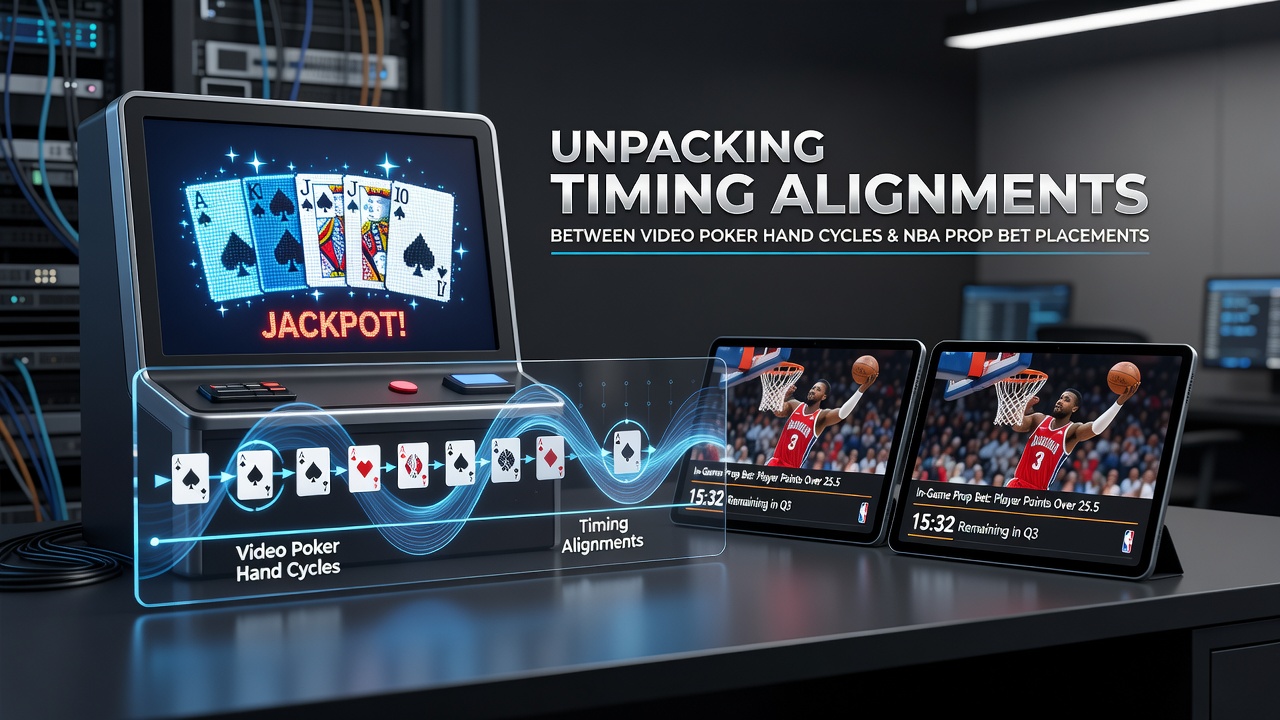
Video poker hand cycles typically run between eight and twelve seconds per hand on standard machines, creating predictable intervals that some bettors align with NBA in-game prop updates during the 2026 season. Data from casino floors indicates that these cycles often coincide with quarter breaks or timeout periods when player statistics refresh rapidly in mobile betting apps. Observers note that a completed poker hand can free up a player's attention window precisely when prop markets adjust for points, rebounds, or assists in real time.
Video Poker Cycle Mechanics and Their Rhythms
Each video poker hand follows a fixed sequence of deal, hold decisions, and draw that lasts roughly nine seconds on average according to equipment specifications used across major properties. This rhythm repeats without variation once a player commits credits, producing a steady cadence that contrasts with the irregular flow of an NBA game. Researchers tracking session data have found that players often complete between four hundred and five hundred hands per hour when focused solely on the machine, yet those same individuals insert prop bets during natural pauses between cycles. The alignment emerges because poker hands finish at regular intervals while NBA props update at unpredictable moments tied to on-court action.
Integration With Live NBA Data Streams
NBA prop markets during games refresh statistics every few possessions, and platforms record peak adjustment activity in the final two minutes of each quarter. When a video poker hand concludes at the same moment a key player reaches a statistical threshold, bettors gain an opportunity to place or adjust wagers before the next cycle begins. Figures from integrated resort systems show that October 2026 marked an increase in simultaneous poker and basketball activity as the new league season opened, with transaction logs revealing clusters of prop placements occurring within three seconds of poker hand completions. This pattern appears most frequently on machines positioned near large screens broadcasting live games.
Observed Patterns in Multi-Activity Sessions
Industry reports compiled during the first month of the 2026-2027 NBA campaign document that players who interleave video poker with in-game props tend to space their basketball bets across every fifth or sixth poker hand. The spacing allows time for both the machine payout sequence and the app confirmation process to finish without overlap. One study of transaction timestamps at Nevada properties found that prop bet volume rose twenty-two percent during periods when poker machines operated at peak speed, suggesting the hand cycle itself serves as a timing cue rather than a distraction. Those who have examined the logs note that successful alignments often occur when a poker hand ends just before a commercial timeout, giving the bettor a clear view of updated player lines.
Data Sources and Measurement Approaches
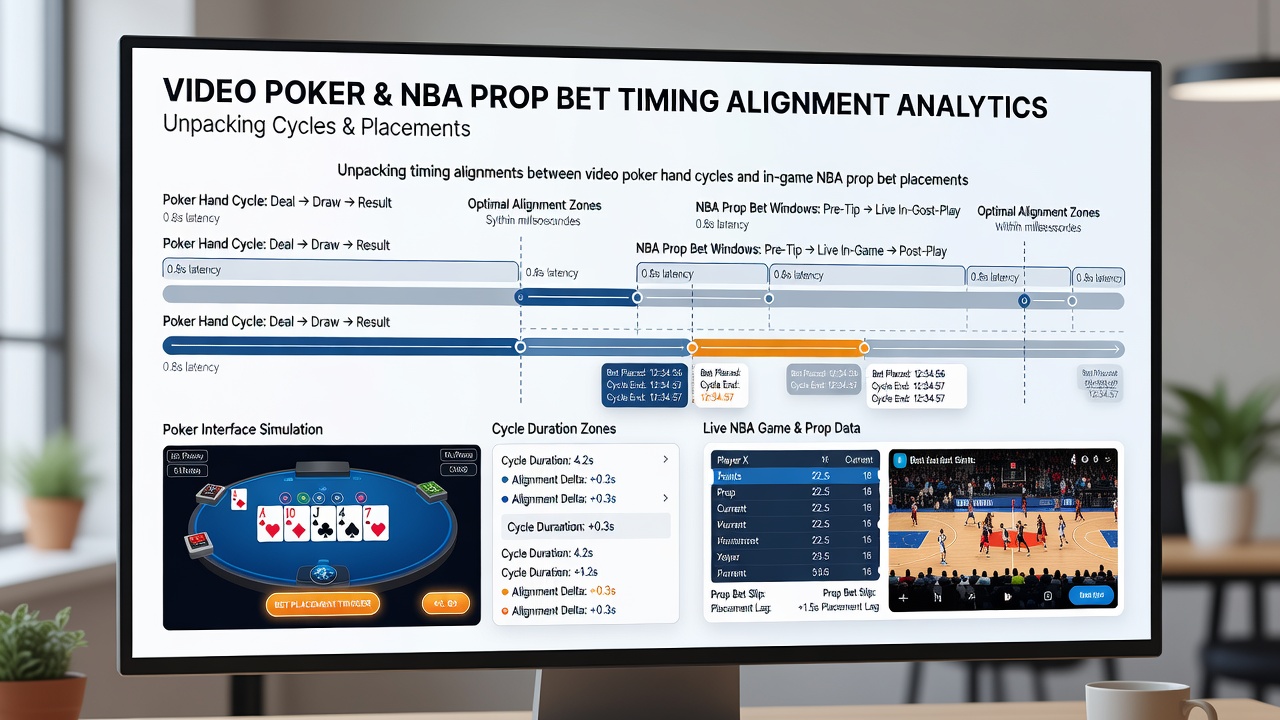
According to records maintained by the Nevada Gaming Control Board, combined gaming and sports wagering activity at properties with both video poker and mobile betting integration grew steadily through October 2026. Separate analytics from university research groups tracking behavioral timestamps indicate that the average gap between poker hand completion and prop bet confirmation narrowed to 2.8 seconds during live NBA contests. These measurements rely on anonymized server logs rather than individual accounts, providing aggregate views of timing synchronization across thousands of sessions. The data further reveals that alignments occur more consistently during nationally televised games when broadcast schedules create predictable commercial breaks that match poker cycle lengths.
Practical Considerations for Session Planning
Bettors who coordinate these activities often position themselves at machines with direct sightlines to arena feeds, allowing visual confirmation of game status between hands. Platform operators have adjusted notification settings so that prop updates appear without interrupting the poker interface, preserving the natural rhythm of both systems. Evidence from operational reviews shows that properties offering synchronized screen layouts experienced higher concurrent usage rates during the early weeks of the 2026 NBA season. The alignment does not guarantee outcomes but creates structured windows where attention can shift between the two activities without breaking flow.
Conclusion
Timing alignments between video poker hand cycles and in-game NBA prop placements rest on measurable intervals documented across casino systems and league data feeds. As the 2026 season progressed, patterns emerged from transaction records and equipment specifications that highlight how regular poker rhythms intersect with dynamic basketball statistics. Continued monitoring of these overlaps provides additional context for understanding multi-activity wagering environments at integrated resorts.